
Creating Calm Learning Environments with Minimalist Decor Strategies
A classroom filled with bright colors, countless charts, and walls covered in decorations might seem lively and engaging. Yet, research shows that such environments can overwhelm young learners, reducing their ability to focus and absorb information. Instead of adding more, creating calm and supportive learning spaces often means doing less. This post explores how minimalist decor strategies can transform classrooms into places where children feel calm, focused, and ready to learn.
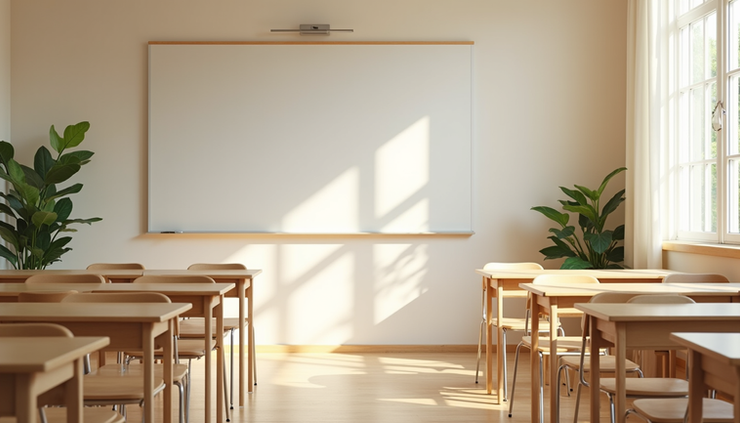
Why Less Is More in Learning Spaces
Multiple peer-reviewed studies confirm that cluttered and heavily decorated classrooms increase cognitive load. This means children’s brains work harder to filter out distractions, leaving less mental energy for learning. Young children are especially sensitive to visual noise because their brains are still developing the ability to process and prioritize information. When classrooms are filled with bright borders, colorful charts, and excessive decor, children’s attention scatters.
Adding to this challenge, classrooms are busy places with many children sharing the space. Each child brings their own movement, sounds, and energy, which adds to the stimuli. A cluttered environment combined with many active learners can overwhelm young brains, making it difficult to focus.
Simple Changes That Make a Big Difference
You don’t need expensive wooden furniture or fancy decorations to create a calm learning environment. Small, intentional changes can have a powerful impact:
Use softer, neutral tones instead of bright colors
Soft beige, light gray, or gentle pastels reduce visual noise and create a soothing atmosphere.
Remove bright borders and excessive board decor
Borders and flashy decorations compete with children’s work. Instead, let children’s projects stand out on plain backgrounds.
Choose warm or natural lighting over fluorescent lights
Natural light supports mood and alertness. Keep windows uncovered to let daylight in and connect children with the outside world.
Take down permanent charts and posters
Numbers, letters, and shapes are everywhere. When displayed permanently, they can distract more than help. Use charts only when actively teaching a concept.
Bring in plants and natural materials
Plants add life and calmness without overwhelming the senses. Natural textures like wood or stone create a grounded feel.
Leave open wall space for rest
Empty walls give eyes and nervous systems a break from constant stimulation.
Intentional Wall Displays
Not every wall needs decoration. When adding displays, be highly intentional:
Documentation walls
Show photos and descriptions of children’s investigations and learning journeys. This honors their work and creates a meaningful connection.
Art gallery walls
Feature children’s artwork on neutral backgrounds. This highlights creativity without adding clutter.
Balance is key. A few well-chosen displays can support learning and community without overwhelming the space.
Practical Examples from Classrooms
One preschool teacher replaced bright red and yellow borders with soft cream-colored walls and removed all permanent charts. She noticed children were calmer and more engaged during activities. The teacher also added a few potted plants near windows and switched off fluorescent lights in favor of lamps with warm bulbs. The classroom felt inviting and peaceful.
Another early childhood center created a rotating art gallery wall. Each week, children’s artwork was displayed on a simple whiteboard with no borders or extra decorations. This approach celebrated children’s creativity while keeping the environment uncluttered.
Supporting Focus Through Environment
A calm classroom environment supports children’s ability to focus and self-regulate. When visual distractions are minimized, children can better attend to tasks, listen to instructions, and engage deeply with learning materials. This is especially important for young children whose brains are still developing filtering skills.
Teachers can also use the environment to model calmness. A tidy, well-organized space encourages children to respect the classroom and take care of materials.
Final Thoughts on Creating Calm Learning Environments
Creating a calm learning environment does not require expensive furniture or elaborate decor. Instead, it calls for thoughtful reduction and intentional choices. By using softer colors, minimizing visual noise, and allowing space for rest, educators can build classrooms that support children’s focus and well-being.
Try small changes like removing bright borders, uncovering windows, and adding natural elements. These simple steps can transform a busy classroom into a peaceful place where children thrive.
Be the first to read our newest insights.
Subscribe and receive alerts whenever a new blog post is published.


Comments